Basement mold removal in Lawrenceville starts with tracing how water reaches the lower level, then removing moldy finish materials and cleaning the concrete and framing behind them. If the moisture source is left alone, the growth comes back. Call the number on this page to be connected with a local mold remediation company in Lawrenceville.
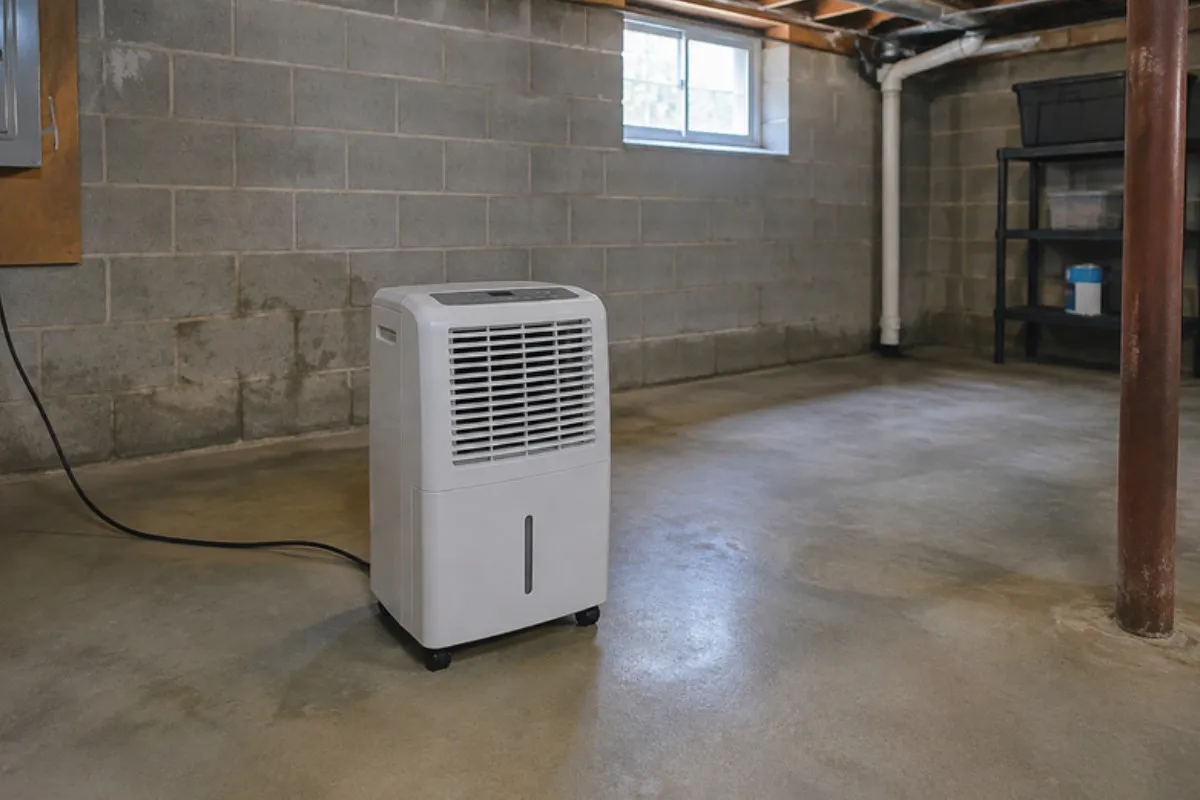
Where Lawrenceville basements pick up water
The Gwinnett County seat lies about 27 miles from Atlanta in the Yellow River watershed. Gwinnett County stormwater staff reported that the heaviest rain of the September 2009 floods fell near Lawrenceville, with roughly 19 inches over eight days in parts of that watershed, and NWS gauges on Pew Creek, Shoal Creek and the Alcovy River at Lawrenceville crested above flood stage on September 21. Most basements never see a creek come through the door. The more common path is slower: red clay around the foundation stays saturated after a long soaking, and water works through block joints, the cove where wall meets slab, or cracks in poured concrete.
Summer adds a second source. Humid air settles in a cool, closed basement and condenses on the walls and under rugs, so mildew can appear in a room that never had a leak.
Clean it, cut it out, or fix the structure?
| What you find | Typical approach |
|---|---|
| Spotting on bare block or poured concrete | Scrub and dry the surface, then fix the moisture path |
| Stains or growth on finished drywall | Cut out the affected sections and some margin beyond, dry the cavity |
| Wet carpet and pad | Remove and discard; EPA notes porous items may need to go |
| Recurring seepage on the uphill wall | Gutters, grading or drainage work alongside the cleanup |
| Rotted bottom plates or framing | Remediation plus carpentry repair |
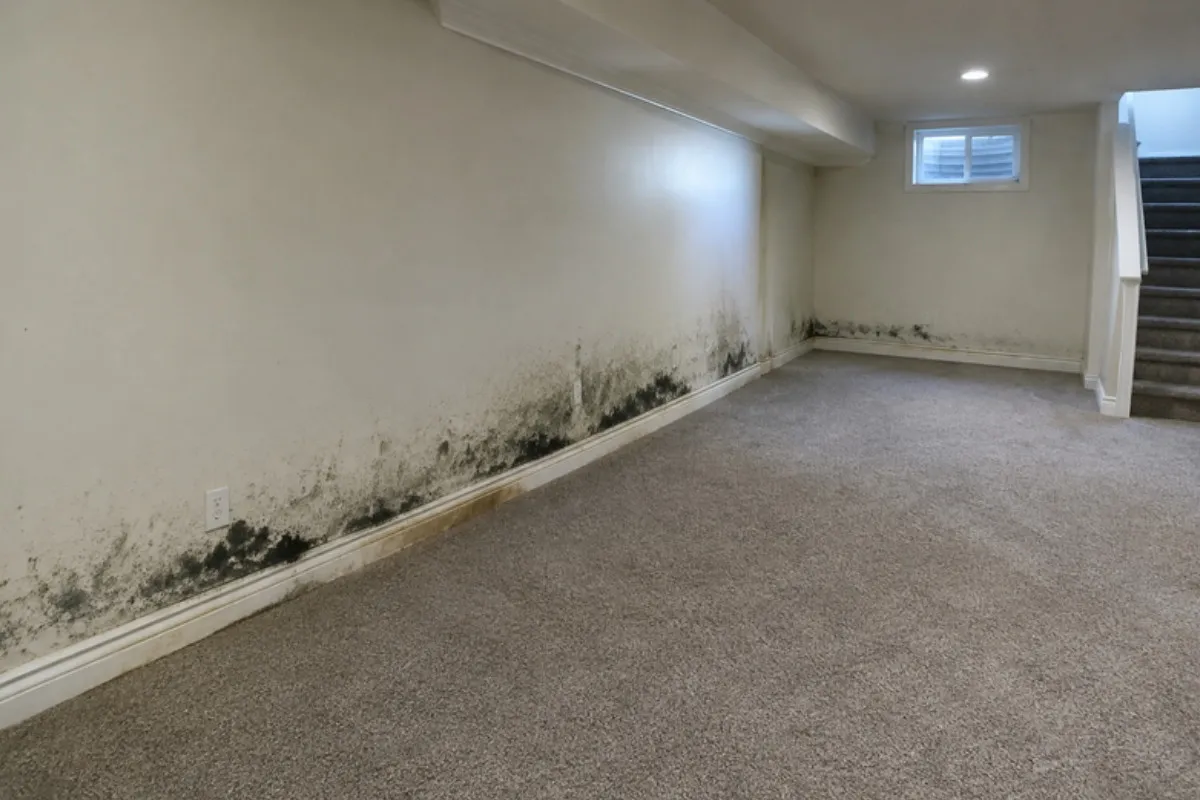
Early warning signs
- A smell that hits you on the stairs before you reach the bottom
- Paint lifting in blisters low on the wall
- Dark lines along the base of drywall or behind bookcases
- Boxes stored on the floor that feel soft or show rings
- Rust on the water heater base or washer feet
Seasonal timing
Look hardest after long rainy stretches and again in late summer, when condensation peaks. A basement that dried out in winter can still hide growth behind finished walls, so a cool-season visit is useful too. If walls come down and new drywall or framing goes up inside city limits, ask about permits at Lawrenceville Planning & Development, which takes applications through its Licensing, Permits, and Plans portal. Georgia has no state mold license, so for the rebuild ask whether the company holds a Georgia residential or general contractor license and check it on GOALS Verify Now.
Basement Mold Removal questions in Lawrenceville
My basement took on water in a storm. What should I do first?
Should the water problem be fixed before the mold comes out?
Will the county health department inspect basement mold?
I rent. Who is responsible for mold in the basement?
More mold services in Lawrenceville
Basement Mold Removal nearby
Sources
- EPA: Mold Cleanup in Your Home
- EPA: Homeowner's and Renter's Guide to Mold Cleanup After Disasters (pdf)
- National Weather Service Atlanta: The Epic Floods of September 2009
- Gwinnett County Stormwater: September 2009 flood report (pdf)
- City of Lawrenceville: Plan Review & Permitting
- City of Lawrenceville: Code Enforcement
- GNR Health: Environmental health complaints
- Georgia DPH: Indoor Air Quality/Mold
- O.C.G.A. 44-7-13: Landlord's duties as to repairs (Justia)
- Georgia SOS GOALS: Verify Now
- Lawrenceville, Georgia (Wikipedia)
Last updated: