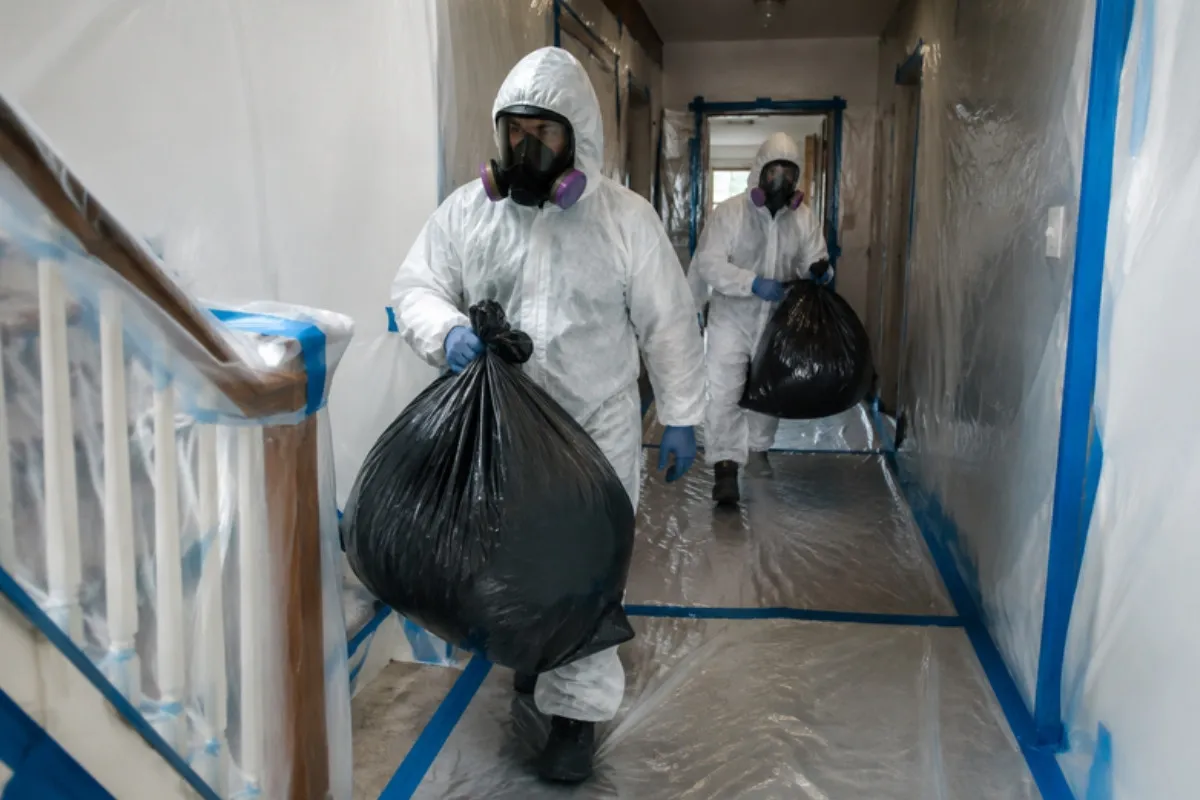
Mold remediation in Lawrenceville means stopping the moisture, sealing off the affected room, removing growth along with any drywall, insulation or carpet it has ruined, and drying what remains before anything is rebuilt. EPA says a homeowner can usually clean a patch under about 10 square feet. Call the number on this page to be connected with a local mold remediation company in Lawrenceville.
Yellow River country
Lawrenceville is Gwinnett County's seat, a courthouse-square city roughly 27 miles from Atlanta, and it sits in the Yellow River watershed. That matters for mold because the ground here can take on a lot of water quickly. During the September 2009 floods, Gwinnett County stormwater staff reported that the heaviest rain fell near Lawrenceville, with parts of the watershed getting roughly 19 inches over eight days. Gauges on Pew Creek, Shoal Creek and the Alcovy River at Lawrenceville all crested above flood stage on September 21.
Most jobs start smaller than a flood: a slow drip under a sink, a crawl space breathing in muggy summer air, or red clay holding rainwater against a basement wall. The fix begins with the water. EPA says wet materials should be dried within 24 to 48 hours.
Wipe it or call someone?
| What you find | Reasonable next step |
|---|---|
| A spot under about 10 square feet on tile, glass or sealed wood | EPA says most homeowners can scrub it with detergent and water once the leak is fixed |
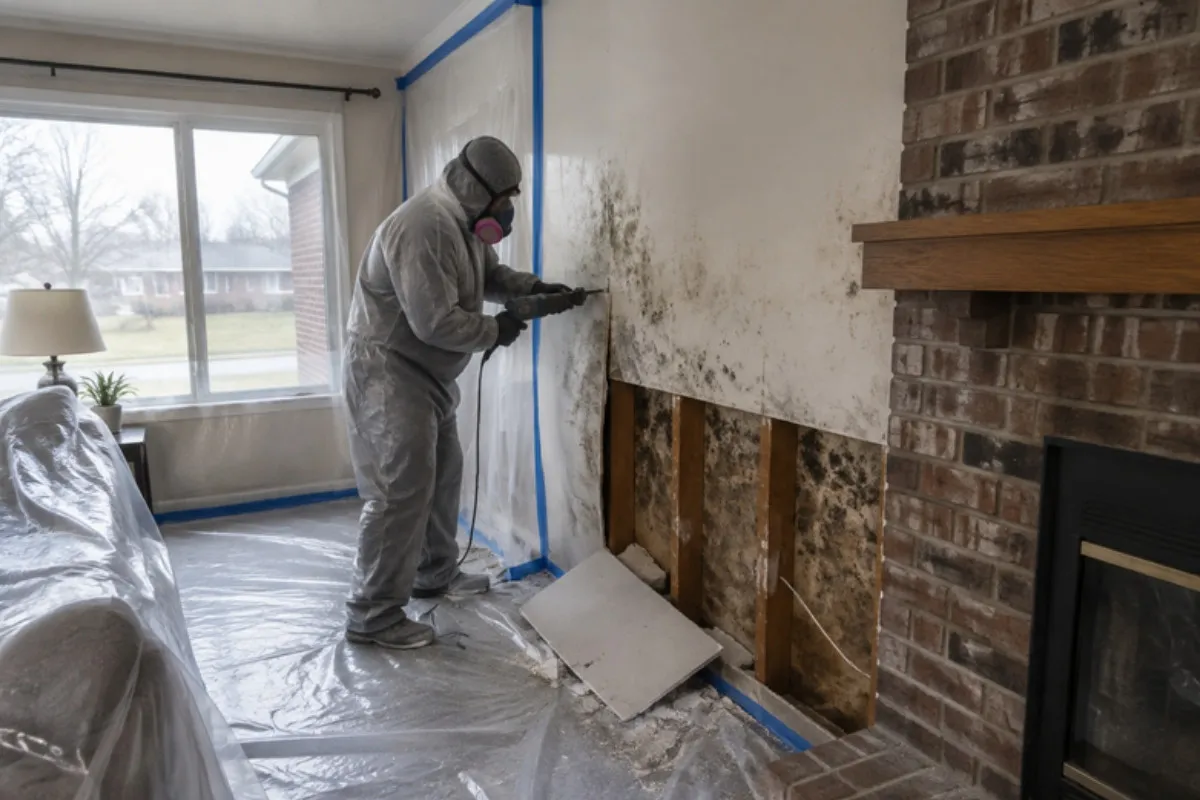
| Growth on drywall, carpet or ceiling tile | Porous material usually has to be cut out and bagged rather than cleaned |
| More than 10 square feet, or anything left wet after flooding | Bring in a remediation company that sets up containment |
| A musty smell with nothing visible | Have someone look inside walls, ducts and the crawl space |
Clues that the problem is bigger
- Staining that returns a few weeks after you clean it
- Baseboards or trim that feel soft when pressed
- Condensation dripping from ducts or the air handler
- An odor that gets stronger when the AC kicks on
- Bubbled paint on an outside wall after heavy storms
If the job grows into replacing drywall, subfloor or framing, permits inside city limits run through Lawrenceville Planning & Development, which handles plan review and building permits through its online Licensing, Permits, and Plans portal. Georgia has no mold license, but Georgia law defines a residential contractor by work over $2,500, so ask whether the company holds a Georgia residential or general contractor license, look it up on GOALS Verify Now, and confirm current rules with the state licensing board.
When it tends to show up
Late summer is the usual peak: weeks of humid air, an AC system working hard, and afternoon storms that overload gutters. Mild, wet winters keep crawl spaces damp too. Renters in larger complexes should know the city has a Multi-Family Rental Housing Ordinance with a compliance certificate, and exterior and property maintenance problems can be reported to city Code Enforcement.
Mold Removal & Remediation questions in Lawrenceville
What does mold removal typically cost?
What if my house flooded and stayed wet for days?
My landlord won't fix a leak. What can I do?
Will the health department inspect mold in my home?
More mold services in Lawrenceville
Mold Removal & Remediation nearby
Sources
- EPA: Mold Cleanup in Your Home
- EPA: Homeowner's and Renter's Guide to Mold Cleanup After Disasters (pdf)
- Angi: Mold Remediation Cost in Atlanta, GA
- O.C.G.A. 43-41-2: Definitions (Justia, 2010 code)
- Georgia SOS GOALS: Verify Now
- O.C.G.A. 44-7-13: Landlord's duties as to repairs (Justia)
- Georgia DPH: Indoor Air Quality/Mold
- National Weather Service Atlanta: The Epic Floods of September 2009
- Gwinnett County Stormwater: September 2009 flood report (pdf)
- City of Lawrenceville: Plan Review & Permitting
- City of Lawrenceville: Code Enforcement
- GNR Health: Environmental health complaints
- Lawrenceville, Georgia (Wikipedia)
Last updated: