Attic mold removal in Lawrenceville involves finding the water reaching the roof deck, pulling out insulation that got wet, and cleaning or replacing the sheathing and rafters where growth took hold. Cleaning without fixing the source simply resets the clock. Call the number on this page to be connected with a local mold remediation company in Lawrenceville.
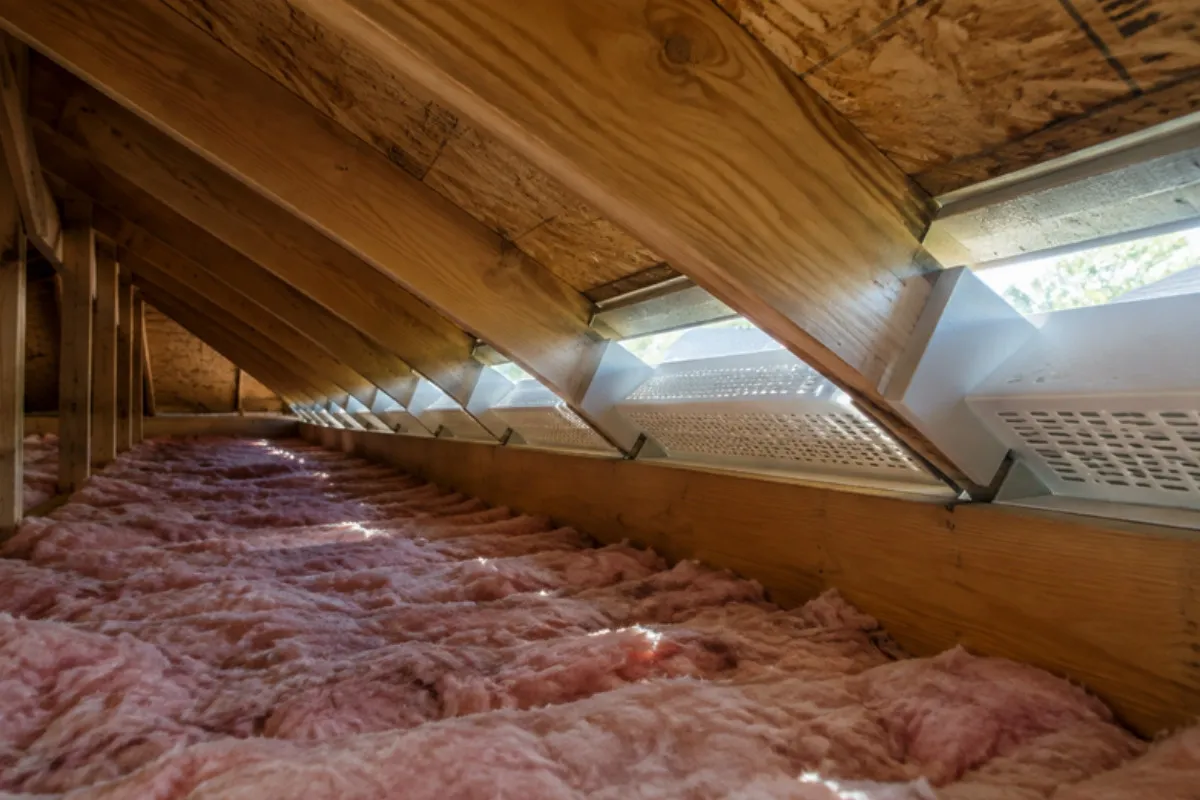
What wets a Lawrenceville attic
Lawrenceville, the Gwinnett County seat about 27 miles from Atlanta, sits in the Yellow River watershed, and Gwinnett stormwater staff placed the heaviest rain of the September 2009 floods near the city, with parts of the watershed taking roughly 19 inches over eight days. Rain like that tests every roof seam, pipe boot and valley at once, and a slow drip that starts during a long soaking can stay hidden under insulation for months.
Most attic moisture, though, comes from inside the house. Many metro Atlanta homes park the air handler and ductwork in the attic, where summer heat builds fast and stays late into the evening. A clogged condensate line or a rusted overflow pan lets water spill onto the ceiling drywall, and uninsulated duct joints drip on the batts below. Bath fans that end in the attic instead of outdoors add a daily dose of warm, wet air under the roof deck.
Clean it or replace it?
| What the attic shows | Usual approach |
|---|---|
| Light speckling on solid sheathing, insulation dry | Clean the wood surface, fix ventilation or the fan duct |
| Growth across many rafter bays, matted batts | Bag out wet insulation, clean framing, dry and recheck |
| Soft or delaminated plywood near a valley or chimney | Repair the roof, then replace the damaged decking |
| Wet patch under the air handler | HVAC repair to the drain line or pan first, then cleanup |
EPA advises against painting or caulking over mold, so a coating sprayed onto damp wood is not a finished job.
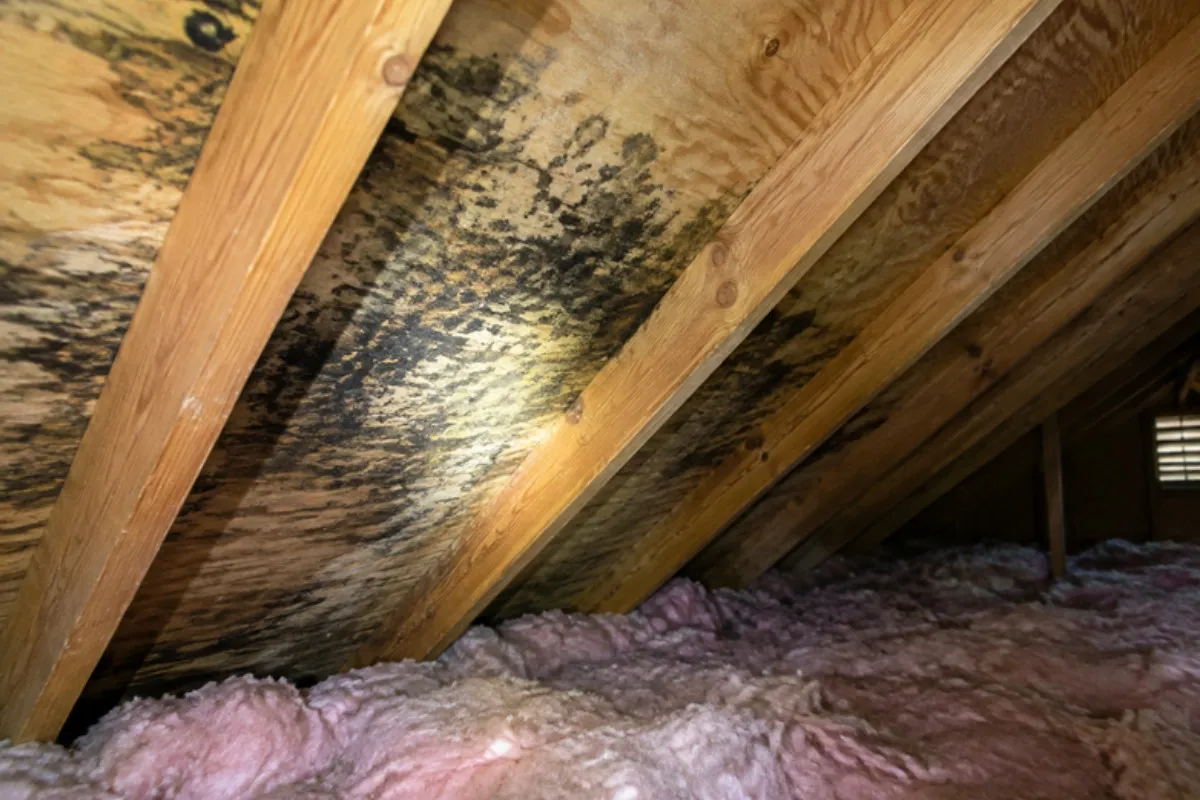
Clues worth a closer look
- A brown ring on a bedroom or hallway ceiling below the attic
- Frost-like white or black speckles on the underside of the roof
- Insulation that looks flattened, clumped or darker in one area
- Rusty nail tips poking through the decking
- A musty odor when the pull-down stairs open
When to schedule it
Attic moisture problems tend to show up in two seasons here: late summer, when the AC runs hardest and condensate lines clog, and after a hard storm. Either is a good time to get someone up there while the source is easy to trace. If decking or rafters need replacing inside city limits, ask whether a permit is required by Lawrenceville Planning & Development, which takes applications through its online Licensing, Permits, and Plans portal. Georgia has no state mold license, so for any rebuild ask whether the company holds a Georgia residential or general contractor license and check it on GOALS Verify Now.
Attic Mold Removal questions in Lawrenceville
Can an air handler in the attic cause mold?
Can moldy roof decking be cleaned, or does it need replacing?
Will the county health department inspect attic mold?
What does attic mold removal cost around Atlanta?
More mold services in Lawrenceville
Attic Mold Removal nearby
Sources
- EPA: Mold Cleanup in Your Home
- EPA: A Brief Guide to Mold, Moisture and Your Home
- Gwinnett County Stormwater: September 2009 flood report (pdf)
- City of Lawrenceville: Plan Review & Permitting
- GNR Health: Environmental health complaints
- Georgia DPH: Indoor Air Quality/Mold
- Angi: Mold Remediation Cost in Atlanta, GA
- Georgia SOS GOALS: Verify Now
- Lawrenceville, Georgia (Wikipedia)
Last updated: