Surface mildew on hard surfaces is usually a cleaning job plus a humidity fix, and the EPA says areas under about 10 square feet can typically be handled at home. Growth that keeps returning, covers a larger area or sits on drywall, carpet or ceiling tile points to a moisture problem a professional should look at. Call the number on this page to be connected with a local mold remediation company in Atlanta.
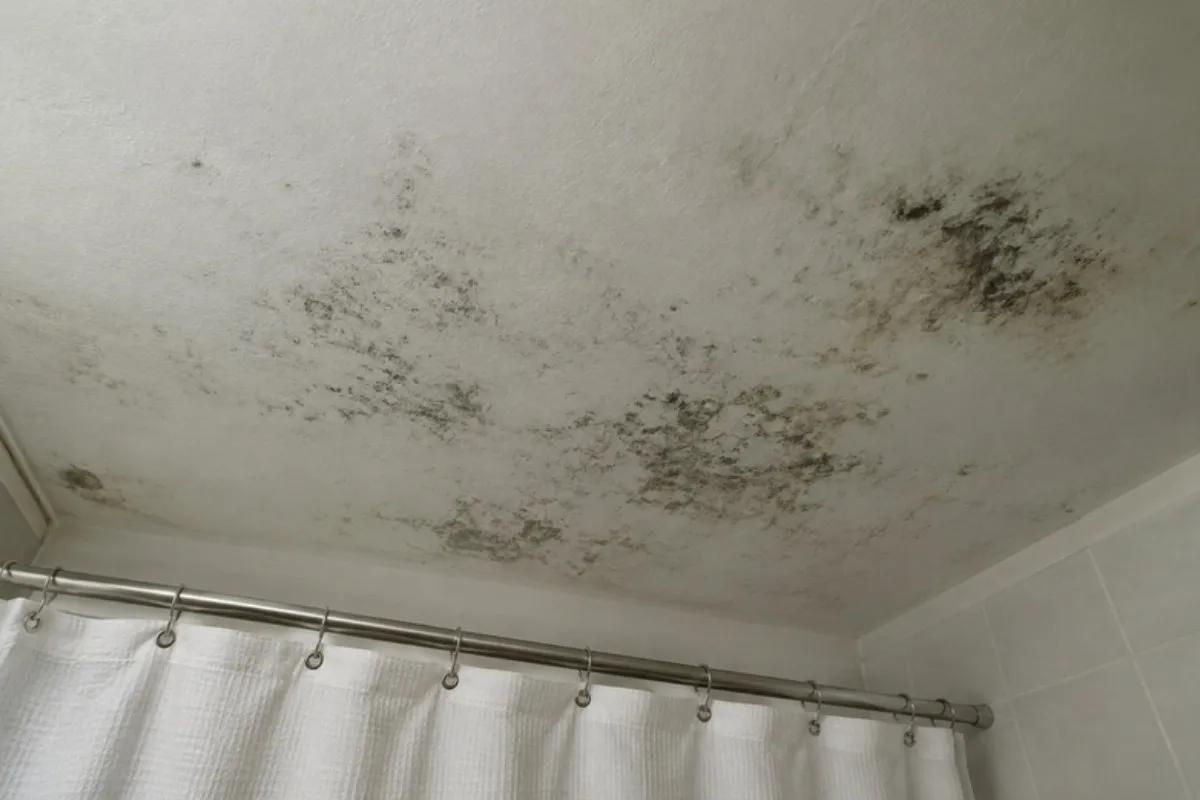
Start with the air, not the scrub brush
Mildew is a surface growth of mold, and in Atlanta it thrives from late spring into fall when outdoor air is heavy with moisture. The EPA advises keeping indoor humidity below 60 percent, ideally between 30 and 50. A recurring stain on grout is often a sign of a bathroom fan that is too weak, an AC unit that cools without pulling enough moisture out, or closets with no airflow. A basic hygrometer tells you where you stand within a day.
Cleaning small areas yourself
- Fix or reduce the moisture first: run the bath fan during and after showers, keep AC drip pans clean and drain lines flowing, and move stored items off exterior walls.
- Wear gloves and eye protection, and an N-95 respirator if you will be close to the growth for a while.
- Scrub hard surfaces such as tile, glass, sealed counters and metal with water and detergent, then dry them fully.
- Throw out porous items that stay musty after cleaning. The EPA notes carpet and ceiling tiles may need to go once mold gets into them.
- Do not paint or caulk over mold. Remove it first, or it grows back under the new coat.
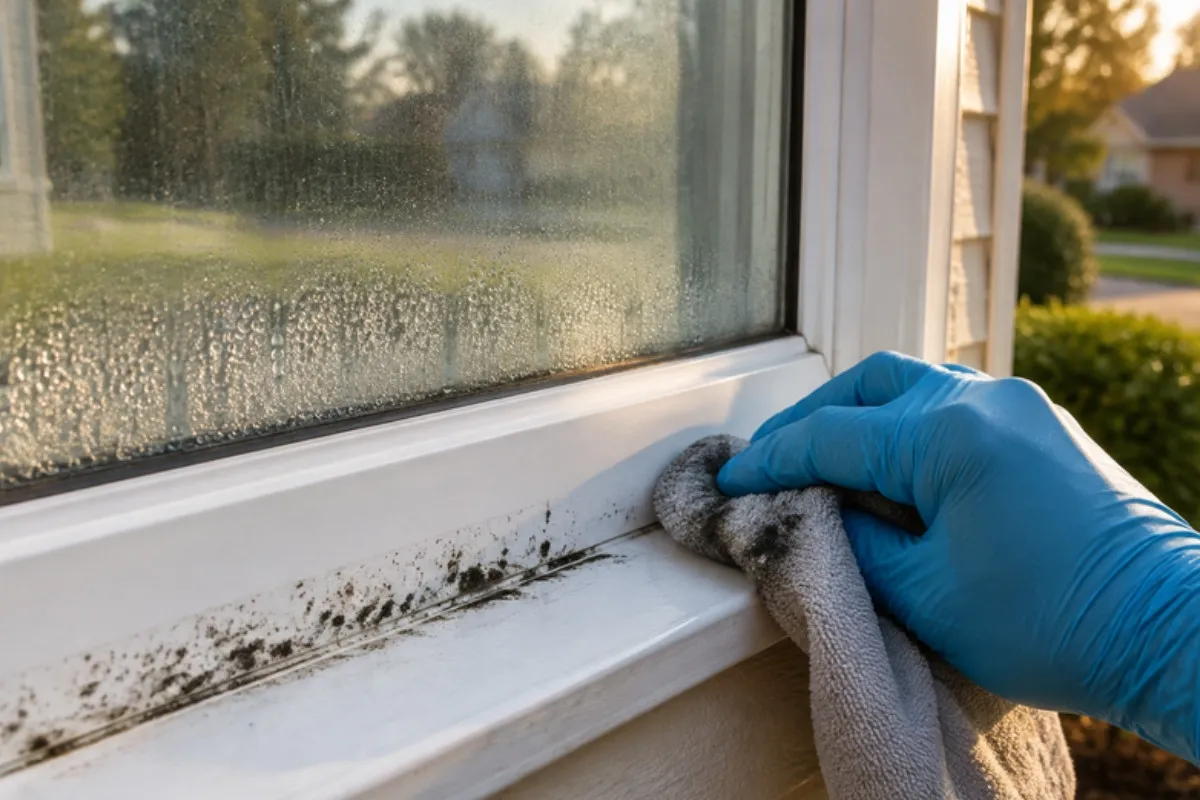
Signs it is more than mildew
- The stain returns within weeks even with humidity under control.
- The patch is larger than about 10 square feet, roughly 3 by 3 feet.
- Drywall feels soft, baseboards are swelling or paint is bubbling.
- A musty odor is strongest near a wall, a floor register or the crawl space door.
Those point to a hidden leak or a wet crawl space, and a mold company will want to find the water before quoting removal. Angi's Atlanta cost guide reports bathroom mold work running about $587 to $1,174, with larger jobs priced by area at roughly $12 to $29 per square foot.
If you rent
This is general information, not legal advice. Georgia law (O.C.G.A. 44-7-13) requires landlords to keep the premises in repair, and Georgia Legal Aid says to report problems in writing and keep a copy. Georgia does not allow tenants to withhold rent. If a leak behind the mildew is not repaired, the City of Atlanta's Housing Code Enforcement Division handles housing code complaints. The Fulton County Board of Health states it does not respond to mold complaints, so start with the landlord and code enforcement.
Mold & Mildew Cleanup questions from Atlanta homeowners
What is the difference between mold and mildew?
What humidity should I keep my Atlanta home at?
When should I call a professional for mildew?
My landlord will not deal with the mildew. What can I do?
Related mold services in Atlanta
Mold & Mildew Cleanup in nearby cities and towns
Fulton County
DeKalb County
Cobb County
Gwinnett County
Clayton County
Henry County
Douglas County
Fayette County
Cherokee County
Forsyth County
Rockdale County
Paulding County
Coweta County
Walton County
Bartow County
Carroll County
Sources
- EPA: Mold Cleanup in Your Home
- EPA: A Brief Guide to Mold, Moisture and Your Home
- EPA: Homeowner's and Renter's Guide to Mold Cleanup After Disasters (pdf)
- Angi: Mold Remediation Cost in Atlanta, GA
- O.C.G.A. 44-7-13: Landlord's duties as to repairs (Justia)
- GeorgiaLegalAid.org: Repairs to Rental Properties
- City of Atlanta: FAQs (code enforcement)
- Fulton County Board of Health
- Georgia DCA: Georgia Landlord-Tenant Handbook
Last updated: