Most mildew in Alpharetta homes is surface growth that a homeowner can scrub off once the room stops staying damp. If it covers more than about 10 square feet, sits in drywall or returns within weeks, there is usually a moisture problem behind it. Call the number on this page to be connected with a local mold remediation company in Alpharetta.
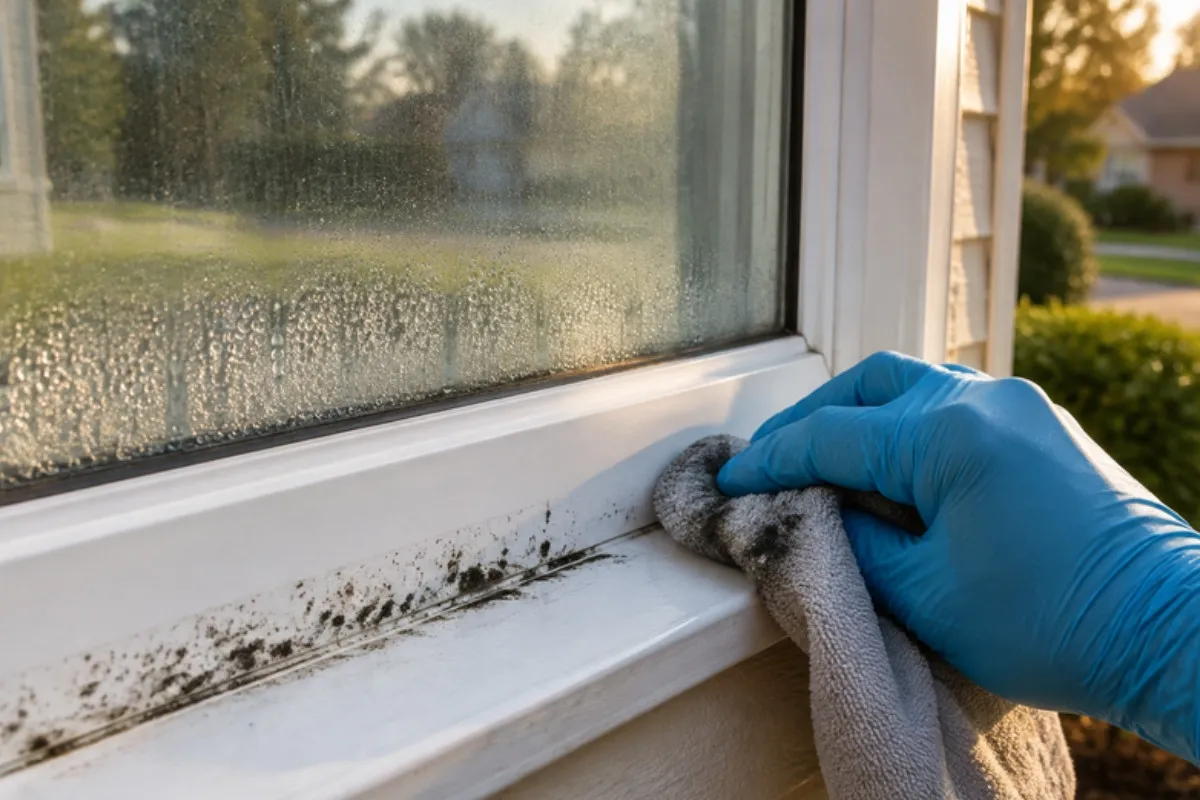
Why mildew shows up in Alpharetta houses
Alpharetta sits about 24 miles north of downtown Atlanta, and much of the city drains toward Big Creek, which the Big Creek Greenway follows through town. There is also a preserved wetland between Haynes Bridge Road and Mansell Road. Low ground near water stays humid after summer storms, and that moisture finds its way indoors through open doors, bath fans that underperform and basements dug into sloped lots. Newer homes are built tight, which saves energy but also traps shower steam and cooking moisture unless fans actually run.
Clean it yourself or call someone?
| Situation | Usually a DIY cleanup | Worth a professional look |
|---|---|---|
| Size | Under about 10 square feet | Larger than a 3 by 3 foot patch |
| Surface | Tile, glass, sealed wood, metal | Drywall, carpet, ceiling tile, insulation |
| Pattern | Clears up and stays gone | Returns within weeks of scrubbing |
| Source | Shower steam, a damp closet | A leak, a wet basement wall, a sweating duct |
For the DIY column, scrub with detergent and water, dry the surface completely and fix the airflow that let it grow. The EPA advises against painting or caulking over mold.
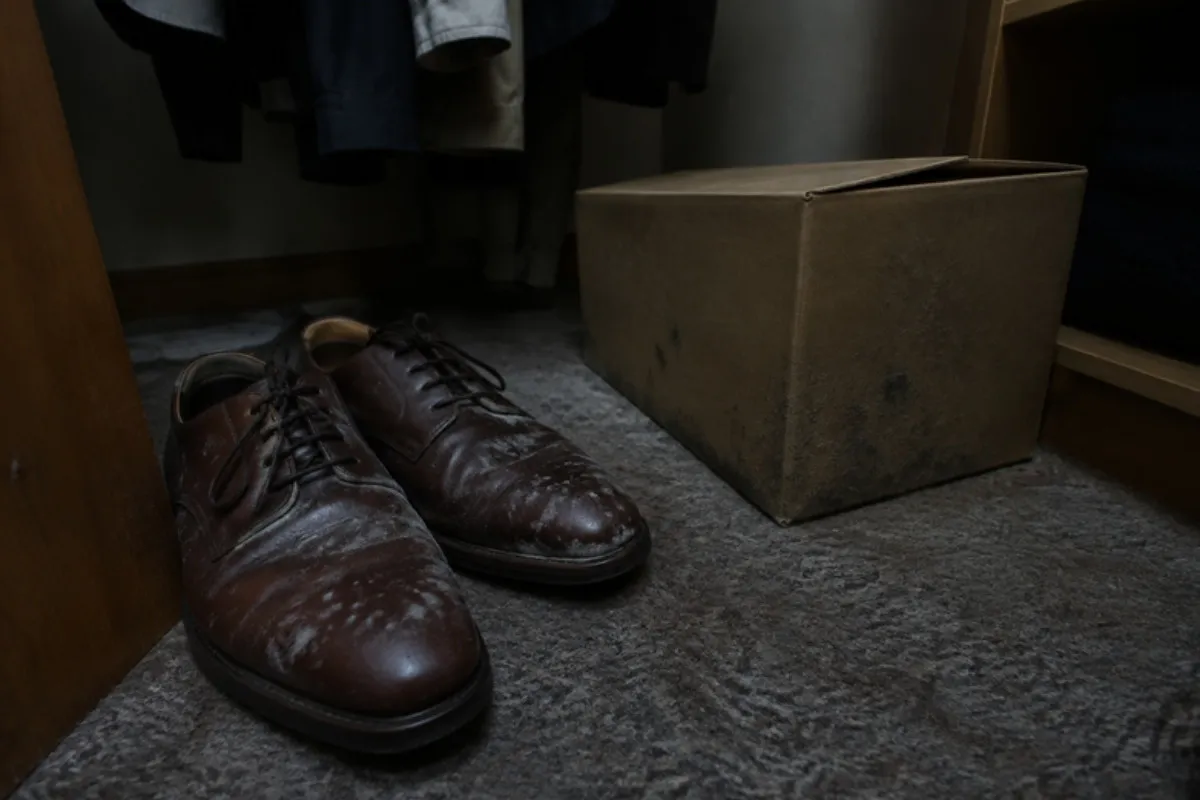
Signs the problem runs deeper
- A musty smell in a room where you cannot see any growth.
- Paint that bubbles or baseboards that swell along one wall.
- Spots on the ceiling below an upstairs bathroom.
- Mildew on the basement side of a foundation wall after heavy rain.
A local company will look for the water source before quoting. If the job ends up including new drywall or framing, permits in the city run through Alpharetta Community Development, and you can confirm a contractor's Georgia residential or general contractor license on the Secretary of State's GOALS Verify Now lookup.
Seasonal timing
Mildew in metro Atlanta tends to build from late spring through early fall, when outdoor humidity is high and air conditioners run hard. The EPA recommends keeping indoor humidity below 60 percent, ideally 30 to 50. If your system cools quickly but leaves rooms feeling clammy, it may not be running long enough to pull moisture out, which is worth raising with an HVAC contractor. Renters dealing with an unrepaired leak can contact City of Alpharetta Code Enforcement, which enforces maintenance of residential property. The Fulton County Board of Health states it does not respond to mold complaints.
Mold & Mildew Cleanup questions in Alpharetta
What is the difference between mold and mildew?
How much mildew can I clean myself?
What indoor humidity keeps mildew from growing?
Does Georgia license mold and mildew cleanup companies?
More mold services in Alpharetta
Mold & Mildew Cleanup nearby
Sources
- Wikipedia: Alpharetta, Georgia
- City of Alpharetta Community Development
- City of Alpharetta Code Enforcement (Community Development)
- Fulton County Board of Health: Environmental Health Complaints
- EPA: Mold Cleanup in Your Home
- EPA: A Brief Guide to Mold, Moisture and Your Home
- Georgia SOS GOALS: Verify Now
- Georgia DPH: Indoor Air Quality/Mold
Last updated: